

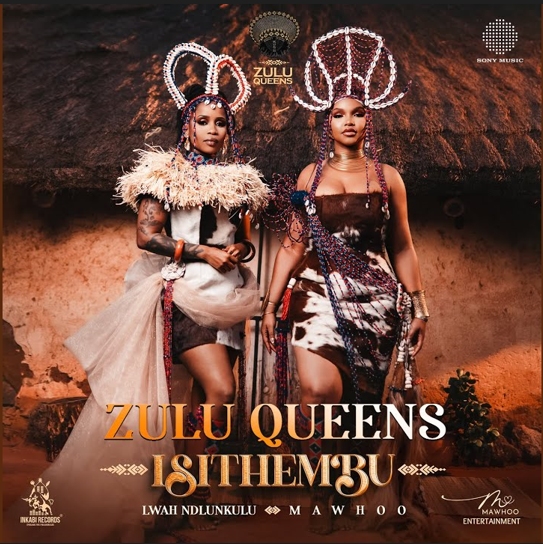
Zulu Queens pull Litshepe Lr onto “Lesotho,” and the cultural collision between Maskandi and Famo hit 100,000 YouTube views within 24 hours of dropping.
That number tells you everything before the analysis even starts. Because 100K in 24 hours on a traditional music collaboration between South Africa and Lesotho is not a streaming metric – it is a cultural event. The track serves as a standout gem from the Isithembu album, and by bringing Litshepe Lr onto the record, MaWhoo and Lwah Ndlunkulu did not simply request a standard guest verse – they opened the door to a complete cultural exchange.Apple Music described it as the nostalgic, Litshepe Lr-assisted “Lesotho” that bridges cultures with propulsive accordions, underscoring Maskandi’s mutual lineage with Famo.
That lineage is real and documented. Both genres grew from similar economic realities – migrant worker communities using music to preserve identity far from home. So “Lesotho” is not a genre experiment. It is a reunion between cousins who have been apart too long.Historically, both Maskandi and Famo have been genres fiercely dominated by male artists.
By taking centre stage, the Zulu Queens are actively rewriting that narrative. Their commanding melodies carry the record while Litshepe Lr’s electrifying energy gives it its most explosive moment.
The balance between both forces never tips toward one side completely – so the cultural exchange feels equal rather than South Africa hosting Lesotho.
The 24-hour YouTube explosion directly mirrors the project’s overall momentum, helping push the Isithembu album past one million Spotify streams within days of launch. Fan-made dance challenges and reaction videos from both South Africa and Lesotho spread simultaneously – confirming the record crossed borders in both directions.
Watch the “Lesotho” audio visualiser and tell us – is this the most important cultural collaboration on the entire Isithembu album?





























DISCUSSION